
Addiction Treatment in Kenya: How Physiotherapy Can Support Your Recovery Journey
Addiction can affect a person’s health, relationships, work, finances and sense of self-worth. Behind the behaviour may be someone struggling with cravings, stress, shame or repeated attempts to change—often while trying to hide the problem from family and colleagues.
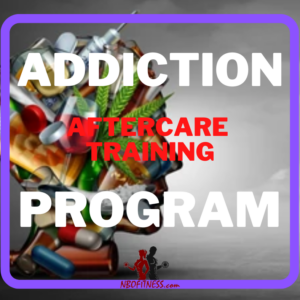
Addiction is a health concern, not a moral failure. Evidence-based treatment, psychological support and practical lifestyle changes can help people work towards recovery. Physiotherapy and guided physical activity may also support physical wellbeing as part of a broader treatment plan.
What does addiction treatment in Kenya involve?
Addiction may involve alcohol, drugs or other behaviours that become difficult to control and cause harm. Effective management depends on the substance or behaviour, the person’s health, and the severity of the problem.
Treatment may include assessment by a qualified doctor, medically supervised withdrawal where necessary, psychological therapy, appropriate medication, rehabilitation and ongoing recovery support. Relapse does not mean someone has failed; it is a reason to review the care plan and strengthen support.
In Kenya, the National Authority for the Campaign Against Alcohol and Drug Abuse (NACADA) offers free, 24-hour counselling and referrals through 1192. Families can use this service to seek guidance and identify accredited treatment and rehabilitation facilities.
How NBOFITNESS Human Performance Institute can help
At NBOFITNESS Human Performance Institute, our focus is physical function: helping suitable clients work towards better mobility, strength, stamina and healthier daily routines through individualised Physiotherapy and exercise-based rehabilitation.
Building on the expertise behind our commitment to “build bodies that work,” our support may include:
- Functional training: practising appropriate movements that support everyday independence.
- Aerobic and strength training: gradually rebuilding physical capacity when medically appropriate.
- Mobility, balance and coordination: addressing physical limitations that may affect confidence and safety.
- Guided physical activity: developing a realistic routine that supports general fitness, energy and participation in daily life.
- Individualised rehabilitation goals: adapting activity to the person’s health, abilities and wider treatment plan.
Physical activity can be a valuable part of recovery, but it is not a standalone treatment for addiction. Physiotherapy does not manage withdrawal, prescribe addiction medication, or replace addiction specialists, doctors, counsellors or psychologists.
Our approach is conservative, non-invasive and function-focused. We consider the person—not simply their diagnosis—and work within appropriate clinical boundaries. You can explore our diagnostic and assessment services.
Safety comes first
Do not attempt to manage severe withdrawal alone. Abruptly stopping alcohol after prolonged heavy use, or stopping certain sedative medicines, can cause dangerous withdrawal, including seizures or delirium. Seek medical advice before stopping, and urgent medical care if severe symptoms develop.
A doctor should assess whether physical training is suitable, especially where addiction has affected the heart, liver, nerves, nutrition or mental health. Exercise intensity must reflect the person’s clinical status. A nutritionist, nurse, psychologist and addiction-treatment team may also be important.
If someone is unconscious, having a seizure, struggling to breathe, severely confused or at immediate risk of self-harm, seek emergency help.
What families and colleagues can do today
Avoid labels, threats and public humiliation. Speak privately, describe the changes you have noticed, listen without judgement and offer to help arrange professional support. You can set reasonable boundaries while still treating the person with dignity.
Workplace pressure, family responsibilities, finance and stigma can all make seeking treatment difficult. A colleague who appears disengaged or unreliable may be facing a problem they are afraid to disclose. Respond with compassion, protect their privacy and encourage appropriate care rather than attempting to diagnose them.
Do not let someone you care about remain among the mass of men that lead lives of quiet desperation because shame has made asking for help feel impossible.
Your next step in Kenya
If you or someone close to you is struggling with addiction:
- Contact a qualified healthcare professional or NACADA on 1192 for guidance and appropriate treatment referrals.
- Prioritise specialist addiction care for assessment, withdrawal management and psychological or medical treatment.
- Contact NBOFITNESS to discuss whether Physiotherapy or an individualised physical rehabilitation plan could safely complement the person’s recovery.
- Confirm suitability and availability. Home-based support in Nairobi may be explored where available and clinically appropriate; people elsewhere in Kenya should enquire about service options.
Recovery is not achieved through FITNESS alone, and no exercise programme can guarantee freedom from addiction. But with appropriate treatment, supportive relationships and achievable steps, a person can begin rebuilding physical health, routine and confidence.
Yes, NBOFITNESS can help you explore appropriate Physiotherapy support—and NAIROBI FITNESS CONSULTING is here to help you take that first step.